


July was a busy month, with continued efforts focused on fire safety being of top priority on the reserve.
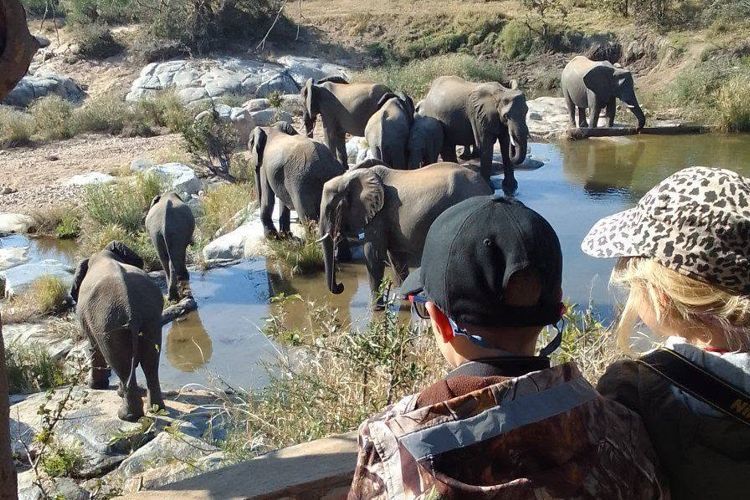
Recorded sightings included some amazing rarities such as cheetah, honey badger, caracal, porcupine, snouted cobra, and the leopard with two cubs.
As the veld has begun to thin out, other field activities have included invasive plant control, erosion control, and continued maintenance of the roads and river crossings.
During the month, staff underwent further financial literacy training, and repairs to the main causeway have been underway. There has been a notable increase in sightings of smaller predators and other rare species, and there is still plentiful surface water availability. Temperatures throughout the month were mild, and wind conditions were unpredictable.
As the veld continues to dry out, the Fire Danger Index increased from “Safe” to “Very Dangerous” as the month progressed. Please remain vigilant and cautious, particularly with unpredictable wind conditions expected throughout August. Please ensure that all fires are extinguished and covered with a steel fire drum before leaving them unattended.
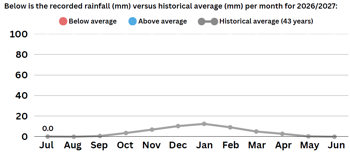
For your interest, a summary of our climactic figures from the month is below.
 Lowest Temp: 3.6°C (Avg: 9.3°C)
Highest Temp: 33.3°C (Avg: 26.2.9°C)
 Rainfall for the month: 0.0mm
(Avg: 5.3mm)
Year-to-date (July to June): 0.00mm
 Fire Danger Index: Very Dangerous*


*FDI: With exceedingly high biomass and unpredictable wind gusts, the Fire Danger Index is expected to increase as the veld dries. Please be extremely cautious in this regard!
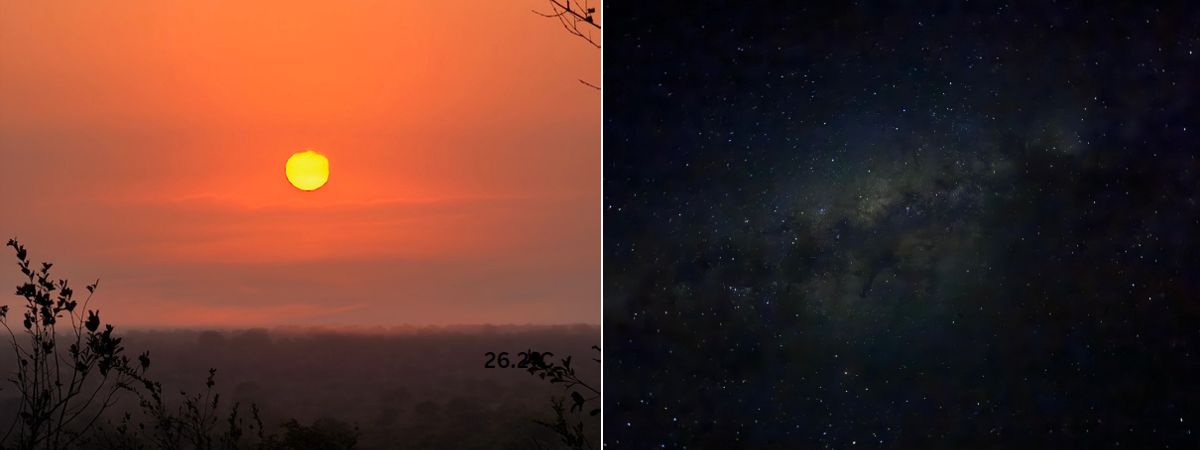
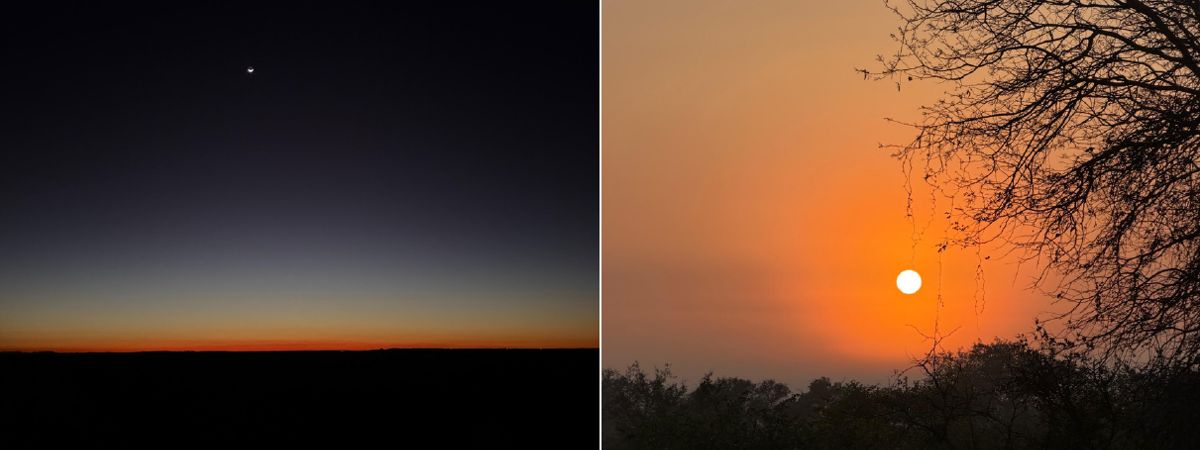 Images courtesy of Aimee Langenhoven, Matthew Jupin and Luc van den Handel
Financial Literacy Training
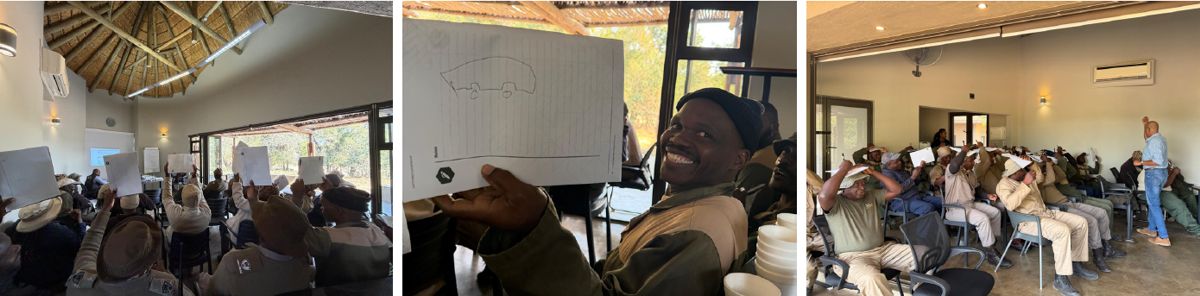
During the month, staff from the Umbabat Private Nature Reserve (UPNR) participated in further financial literacy training provided by ASISA Foundation, in conjunction with GKEPF. This training, presented in local languages, focused on crucial aspects of financial management, debt management, and planning for financial stability.
Staff from the region enjoyed training sessions involving practical examples and interactive group activities, while building knowledge and understanding of financial literacy and the intricacies of sustainable and long-term financial planning. This training also offered an opportunity for valuable discussions, encouraging questions and engagement throughout.
Thank you to ASISA Foundation and GKEPF for providing these educational and enjoyable training sessions for staff in the region, and thanks to all within the UPNR who attended these sessions. They were thoroughly enjoyed, and valued.
 Images courtesy of Aimee Langenhoven
Upgrades at Elephant Pan Hide
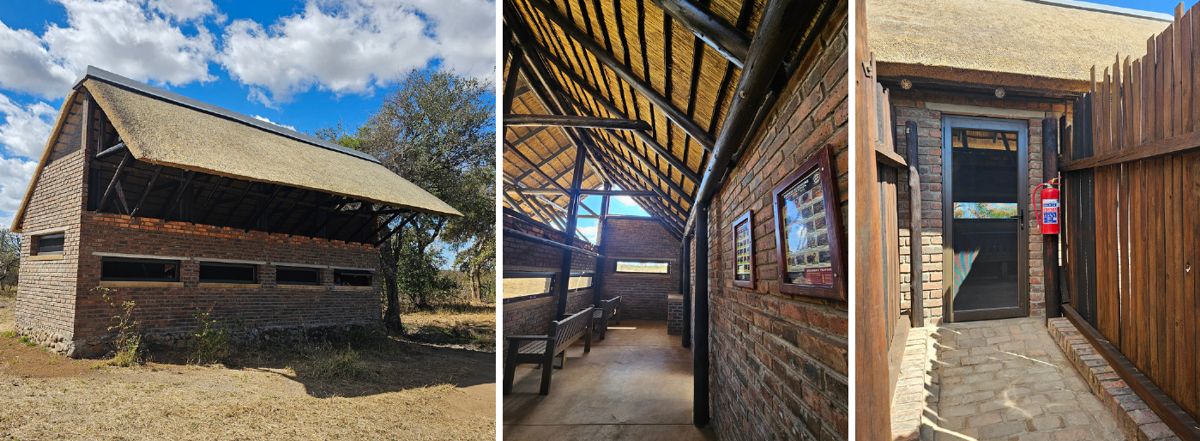
The renovation of the hide has been completed, with a new and improved Elephant Pan Hide officially open to Members! This renovation has given the hide a completely new look and feel, and has been designed for improved air flow, longevity and game viewing. Thank you to all who made this renovation a possibility, and thank you for your patience while the hide has been closed during construction.
 Images courtesy of Tessa Woollgar
Invasive Plant Control
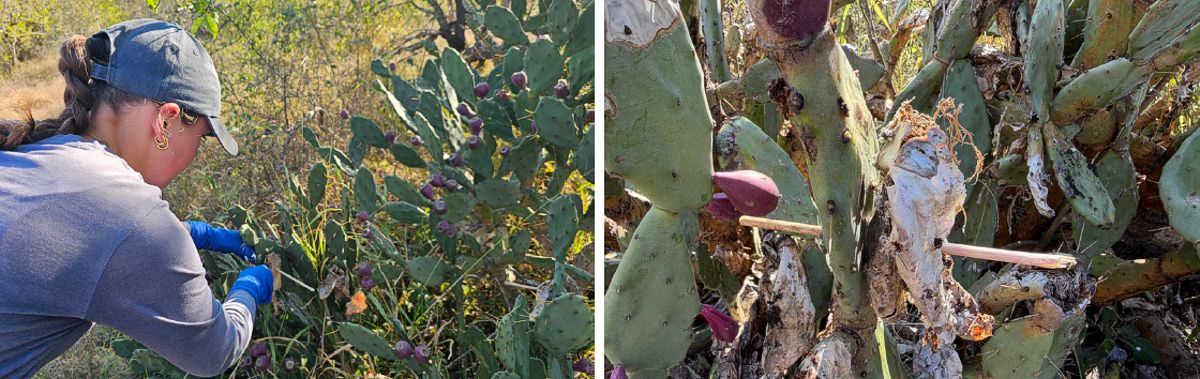
Alien invasive plants continue to be a threat to global biodiversity, endangering indigenous habitats and species. As visibility in the veld has increased, the control of invasive plants on the reserve has also increased, with more plants having been identified to be treated or removed. The core species of interest are the following:
- Various Prickly Pear species (Opuntia spp.)
- Queen of the Night (Cereus jamacaru)
- Rope Cactus / Devil’s Rope (Harrisia spp.)
- Hummingbird tree (Sesbania grandiflora)
- Mexican Poppy (Argemone mexicana)
- Felt Bush / Elephant’s Ear Kalanchoe (Kalanchoe beharensis)
Alien plant control is a long-term strategic undertaking as part of habitat and biodiversity conservation, and the biological control method being used on the reserve continues to provide positive results.
Thank you to all who have reported invasive plants or infestations - please continue to do so!
 Images courtesy of Tessa Woollgar
Repairs at the main causeway
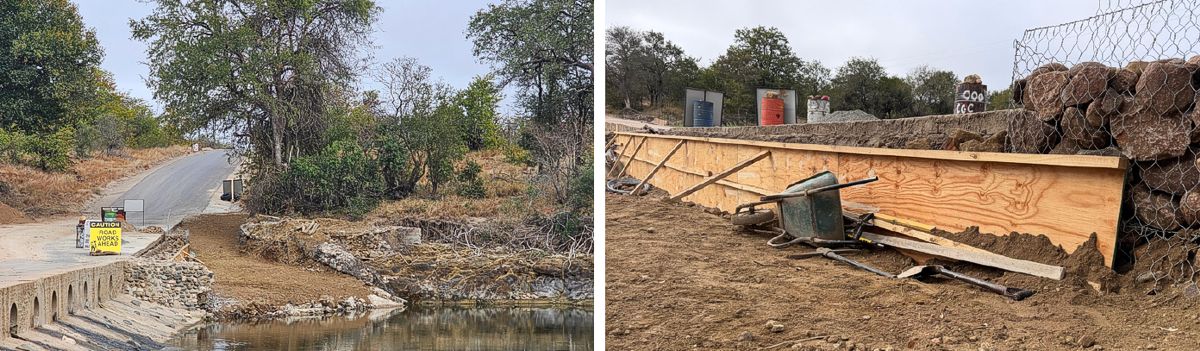
Please be advised that structural repairs to the western side of the main causeway are underway. Rubble and damaged portions have been removed, and new structural support reinstatement is in progress. The causeway is still serviceable using the initial bypass created following the flooding.
Please use caution when making use of the causeway while it is under construction.
 Images courtesy of Tessa Woollgar and Aimee Langenhoven
Interns’ Insights: Wild fruits of the region
Among the many lowveld trees found at Ingwelala, there is a very striking and unusual looking tree known as the sausage tree (Kigelia africana). This tree can grow to heights of 6 to 25 meters and produces large, oblong dangling fruits. These fruits can grow up to a meter in length and can weigh as much as 12 kilograms, which makes them one of the largest fruits in the plant kingdom.
These fruits are a very important food source for wildlife, especially in the dry winter months when other food sources are scarce. There are a variety of animals that eat this fruit, including elephants, baboons, monkeys, various antelopes, birds and insects. Wildlife chew the pulp and flesh of the fruit, but may spit out the seeds, as they are known to be toxic. Elephants, with their large size and the capabilities of their digestive systems, can easily process the toxic compounds in these fruits unlike other mammals, like primates.
These fruits are also used traditionally and culturally in local communities. The fruit is carefully dried and roasted to remove all toxic elements and can be used to treat skin ailments and digestive issues like ulcers. The fruit can even be used to make local brews. In Kenya, fruits are used to brew “muratine”, which consists of fermenting the fruit, and adding sugarcane juice or honey, to create a golden-brown, sour and tangy brew. This is consumed at special occasions and represents unity and hospitality. Other traditional uses include extracting medical compounds from the sausage tree’s bark, by cutting and crushing the bark, and then boiling the bark in water to collect the compounds needed. These compounds can be used for menstrual disorders, postpartum recovery, prostate health, and for cleansing rituals. The fruits can also be used to make tonics, particularly strengthening tonics, to boost resilience and energy.
Today, research indicates that the sausage tree fruit can be used in cosmetics and skincare. Using extracts from the fruit, and incorporating them into creams or serums, may assist with improving skin elasticity and evening skin tone, as well as containing anti-aging properties to reduce wrinkles and fine lines. Beyond cosmetics, pharmaceutical research has shown that the sausage tree fruit’s bioactive compound has anti-inflammatory properties, which may aid in reducing swelling and pain, and has the potential to be used for arthritis and joint health. These fruits have also presented compounds that aid in fighting against harmful bacteria and fungi, which can reduce infection. The most notable research, however, indicates promising results within the field of cancer treatment, showing that extracts from the fruit could potentially aid in inhibiting melanomas and other tumour growths.
The sausage tree is more than just a beautiful tree with striking flowers and fruits in the Lowveld. It sustains wildlife, supports indigenous communities, plays a role in traditional medicine and cultural practices, and will continue to be a modern research tool for pharmaceuticals and cosmetics.
 Images courtesy of Aimee Langenhoven
Notes from the conservation team: bush walks
Bush walks have been very popular during the month, with some wonderful sightings and observations noted on the reserve. Thank you to all who joined!
Some of the highlight sightings included the following:
- A male lion on a buffalo kill in the riverbed, seen dragging the kill onto the bank.
- A herd of elephant bulls relaxing in the riverbed.
- Buffalo bulls slowly heading towards the river while feeding.
- Plentiful giraffes, kudus, impalas, zebras, and wildebeest.
- Pearl-Spotted Owlets, and African Scops Owls, perched in trees.
- Tracks of almost every animal, including leopards, lions, hippos, various birds, wild cats, genets and porcupines.
- Should you be interested in joining a bush walk, please contact the conservation team directly via
This email address is being protected from spambots. You need JavaScript enabled to view it. or radio to enquire about availability and safety regulations. Please ensure that booking requests are made at least 24-hours in advance, although earlier is recommended. Provisional bookings can also be made in advance of upcoming visits to Ingwelala.
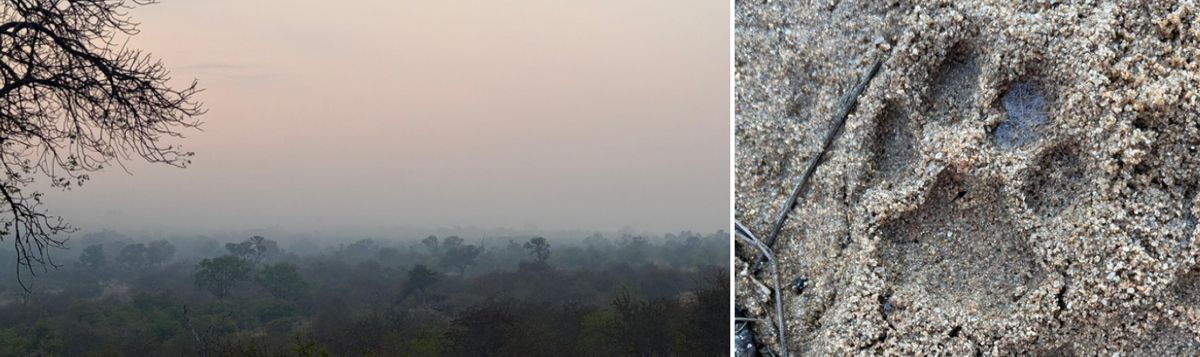 Images courtesy of Aimee Langenhoven
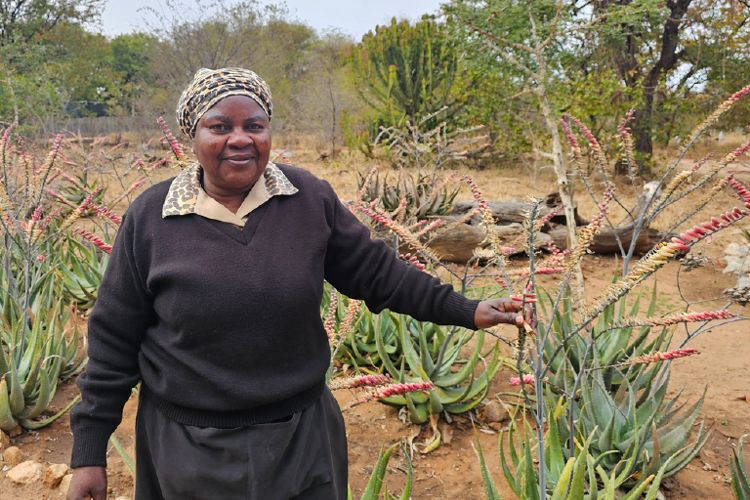
Staff member of the month
The staff member of the month for July 2026 is Lisbeth Moyane. Lisbeth has been at Ingwelala for over two decades as a housekeeper.
Lisbeth shows immense dedication and passion for her work and has received very positive feedback from Members during the month.
Being hard-working, adaptive and a team worker are highly valued attributes at Ingwelala, and she has displayed all the above and more!
Thank you, Lisbeth, for all you do. We appreciate you!
Building Projects
John Llewellyn, represents the Building Committee at reserve level regarding all building related issues to members bungalows. Members are welcome to call Reception ahead of their visits to enquire what building related disturbances may be encountered in the vicinity of their bungalows.

Current building projects are listed below:
- #87: Refurbish outside shower and door replacement.
- #139: Demolish and rebuild.
- #177: Re-thatch.
- #207: Re-thatch and internal renovations.
- Minor maintenance:#46, #57, #92, #143, #163, #185, #209.
Words by Tess Woollgar. Images courtesy of Ingrid Passier, and as noted on individual photos or sets of photos.