

Red Bushwillows

The abundant Red Bushwillows are deciduous by nature, and usually amongst the first to forewarn us of a change in season as their leaves turn from a brilliant summer green to a golden yellow.

The abundant Red Bushwillows are deciduous by nature, and usually amongst the first to forewarn us of a change in season as their leaves turn from a brilliant summer green to a golden yellow.

This mostly solitary ground bird (Lophotis ruficrista) can be found in most of the northern and north-eastern parts of South Africa.
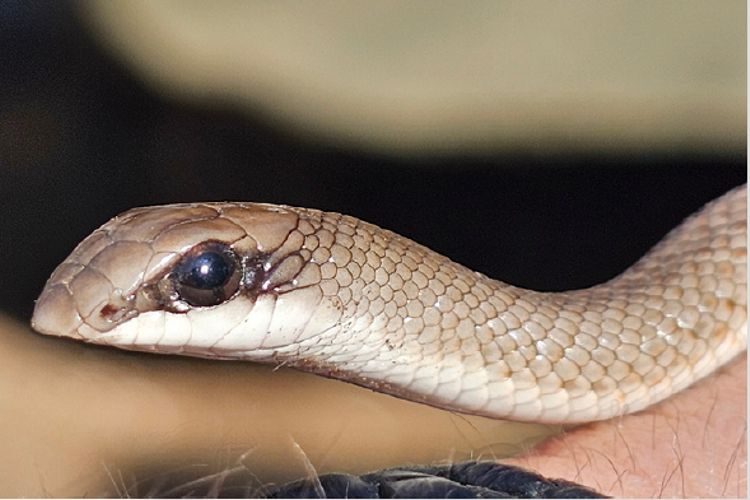
During the month we had the opportunity to safely relocate a rarely seen snake species - a Rufous Beaked Snake (Rhamphiophis rostratus).

What do we know about these creatures that we share a space with? Here is an interesting article about scorpions, their habits and habitats, with advice, do's and don'ts.

The Secretarybird (Sagittarius serpentarius) is a well known terrestrial raptor, easily identified by its unusually long bare legs, long tail, crested head and unique gait.

As one of the rarest antelopes to see in southern Africa, the Sharpe’s Grysbok is a species we are lucky to see fairly frequently at Ingwelala.

The Shepherd's tree (Boscia albitrunca) is an easy tree to identify on your travels around the Reserve, especially in the northern reaches of Buffelsbed and Sibon.
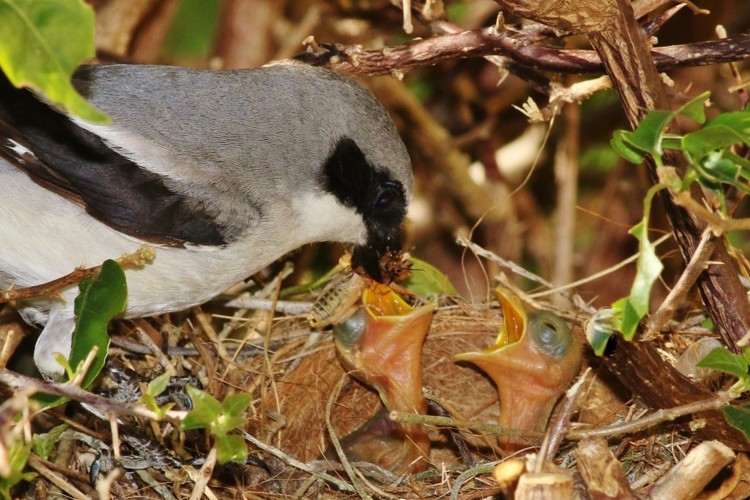
Thank you to Chris and Auriel Thorpe in Bungalow # 197 for sharing the fascinating world of the Southern White- Crowned Shrike (Eurocephalus anguitimens) and Black Cuckoo-Shrike (Campephaga flava) with us.

The Sjambok pod (Cassia abbreviata) is a deciduous tree that is easily identified through its exceptionally long tail like seedpods. An alternate common name is the Long-tail Cassia.
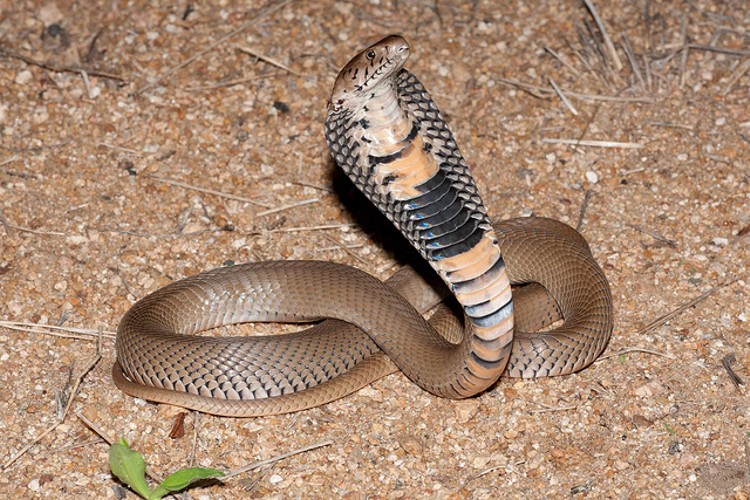
Snakes have been noticeably active and hunting for food, characteristic of them “fattening” up ahead of the cooler months to follow when they become less active.
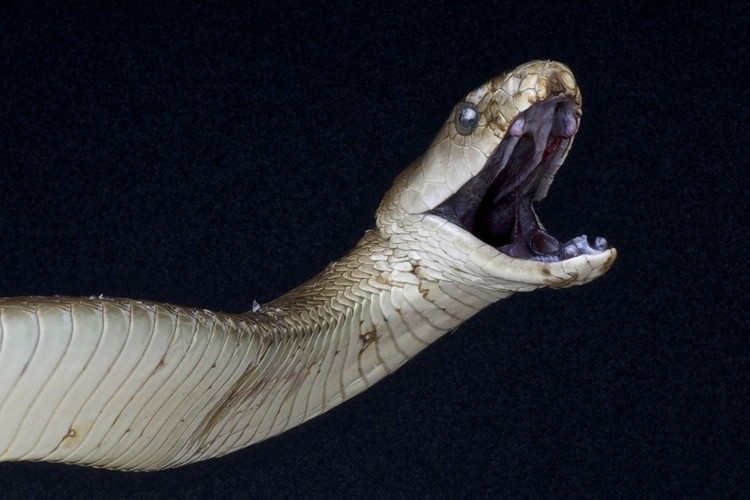
Johan Marais is a world-renowned herpetologist who very kindly provided Ingwelala with the following educational material on snakes that we are likely to encounter in South Africa.
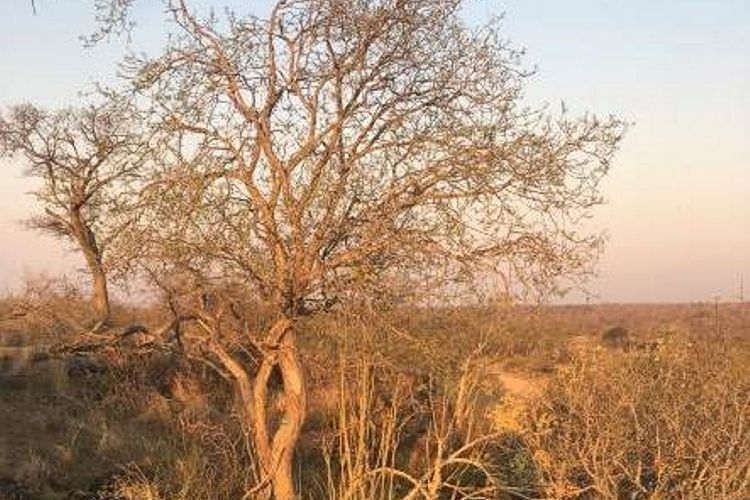
For this reporting month I thought it may be worthwhile to look at one of the less common established trees of Ingwelala and delve into its existence a little deeper.

Users visiting Sibon recently will have noticed the large social spider nest/web in the marula tree above the gazebo area. In South Africa the social spider Stegodyphus mimosarum occurs in the eastern parts.

With the change of season, you may have noticed that the very scary looking solifugids have started making frequent appearances on your walls and floors, or in your shadow.

Known as the tallest terrestrial mammal, and standing at more than 5m tall, the giraffe (Giraffa giraffa giraffa) is one of the most popular animals to see in the bush.

Because of our chick this month, we’ve chosen the Southern Ground-Hornbill (Bucorvus leadbeateri) as our species of the month!

Chris and Auriel Thorpe in Bungalow # 197 found this Southern Stiletto Snake (Atractaspis bibronii), pictured below, along Heliotrope Loop on Sibon.
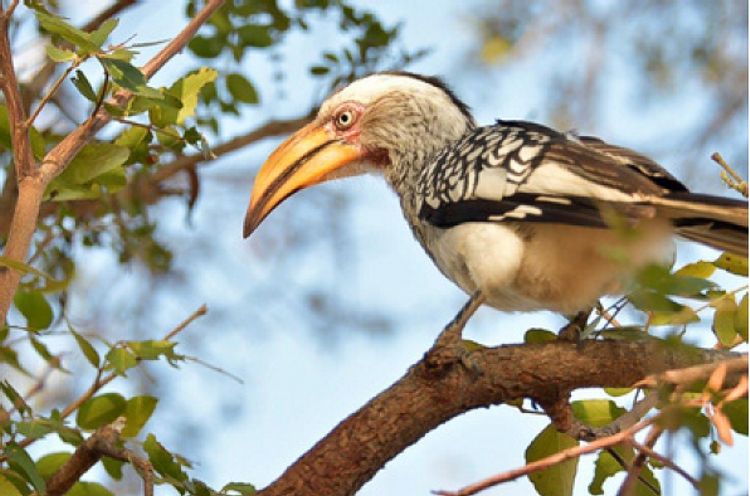
As one of the most common bird species to encounter at Ingwelala, the Southern Yellow-billed Hornbill is a species that almost always delivers an entertaining, close-up sighting in the bush.
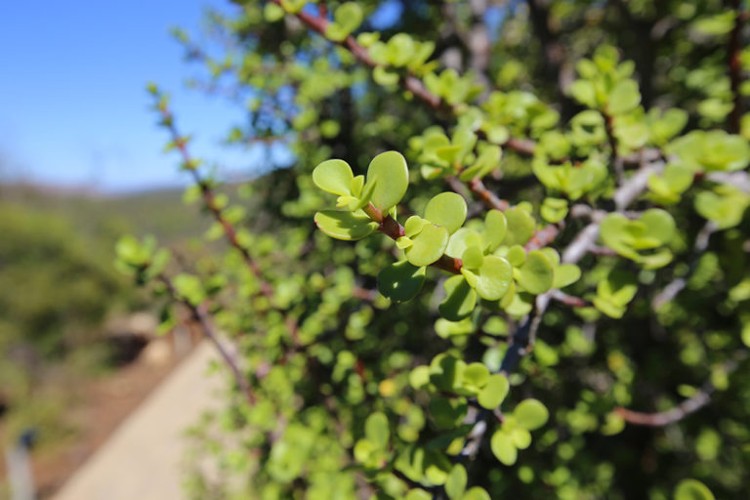
Spekboom, (Portulacaria Afra) also known as pork bush or elephant’s food, is our own indigenous wonder plant.

An outstanding feature in the Ingwelala landscape during March was the Golden Orb spider. There were hundreds of them everywhere, spinning and guarding their webs, and going about their spider business.