

Matabele Ants
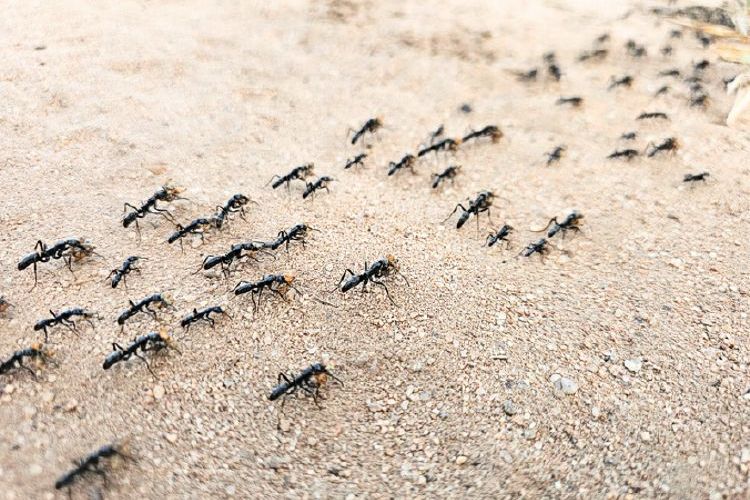
The Matabele ant is a large, specialised ant species found at Ingwelala and all over sub-Saharan Africa.

The Matabele ant is a large, specialised ant species found at Ingwelala and all over sub-Saharan Africa.

A recent and rare sighting by one of our members at the Buffelsbed hide regarding hippo behaviour is the topic of this report, thanks to Jo Baard for delving a little deeper into the subject.

During the month of Late September early November or just after the first rains you will notice while driving around on Ingwelala a bright yellow flower. This is the Mopane Pomegranate ( Rhigozum zambesiacum).

Many of us are familiar with the well-known Mopane Worm found in the summer in amongst the Mopane trees at Ingwelala.

With a Narina Trogon (Apaloderma narina) spotted near Farmhouse Crossing by bungalow 66, it is only fitting that this bird is our species of the month!

I was in the Workshop the other day chatting to Nelson when he suddenly said to me “Oh, I forgot to show you something yesterday, come and have a look” - all with a dead straight face.

A very special time in the bushveld occurs during the full moon phase. This is even more so during the warm summer months when one can comfortably sit outside on warm balmy evenings, bathed in glorious moonlight, and absorb the wonders of our natural world.
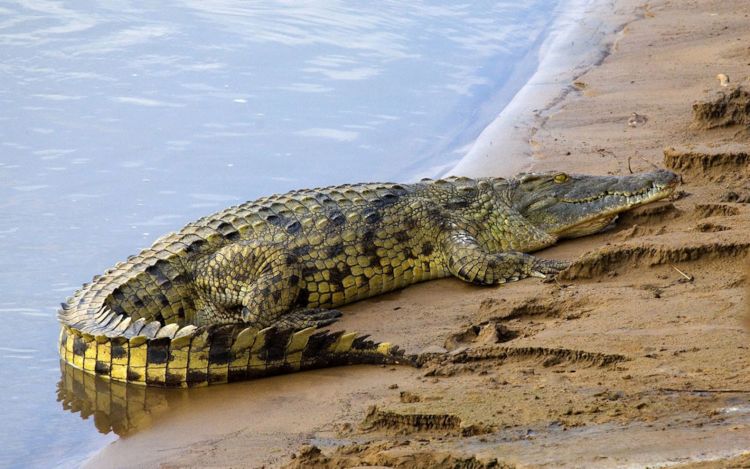
The abundant surface water has resulted in Nile crocodiles (Crocodylus niloticus) popping up all over. From the Class; Reptilia, Nile crocodiles are fairly widespread through central, western and southern Africa and also occur in the western parts of Madagascar.

Of late I have being punting the point of how wonderful the Nhlaralumi River is functioning with fewer upstream impoundments. The natural processes that follow are remarkable in such a short space of time since the failing of certain dams in January 2012.
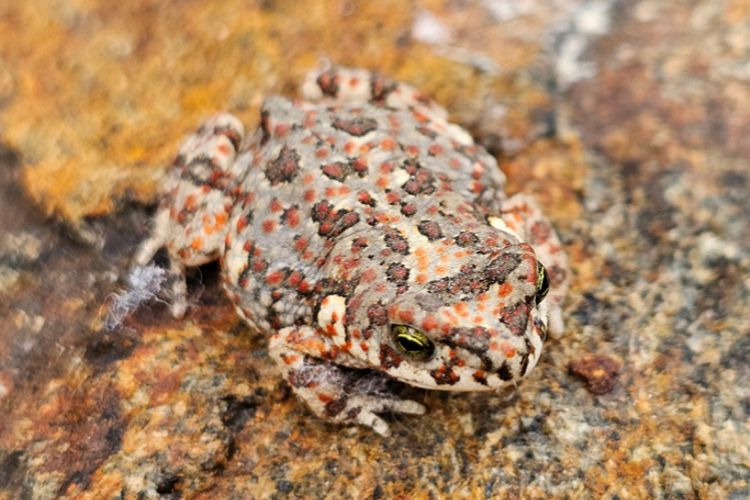
This beautiful pygmy toad (Poyntonophrynus fenoulheti) has been popular at Ingwelala during the month. With a distinctive look and a minute size, this little toad certainly makes an impact!

We often refer to alien plant species in the various communications from the Reserve. I thought it may be worthwhile looking at the true definition of these alien species and the immediate impact to the Ingwelala properties.
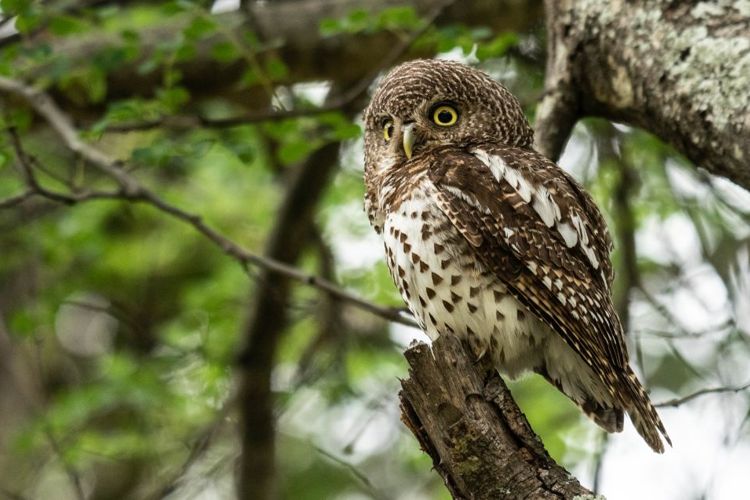
Owls possess a unique digestive system. Unlike most other bird species, owls do not have the digestive organ known as a “crop”.

This beautiful, delicate herb was recently spotted flowering in an open area on Buffelsbed.

Nature provides plenty of tangible evidence that there is a change in seasons. However, an endearing olfactory clue for me that there is a shift in season is the early evening scent of the potato bush, Phyllanthus reticulatus.

Each (summer) season that passes on its own peculiarities, and this season was no exception. One phenomenon was an abundance of praying mantises, of various species, shapes, colours and sizes.

The larvae phase of Processionary Moths that appear in caterpillar type form are currently active and are best seen when crossing roads. Processions take place when migrations occur between feeding stations.

Terminalia prunioides, commonly known as Purple-pod Cluster-leaf or Lowveld Cluster-leaf, and in Afrikaans as Sterkbos, is a striking tree in the landscape during mid summer.
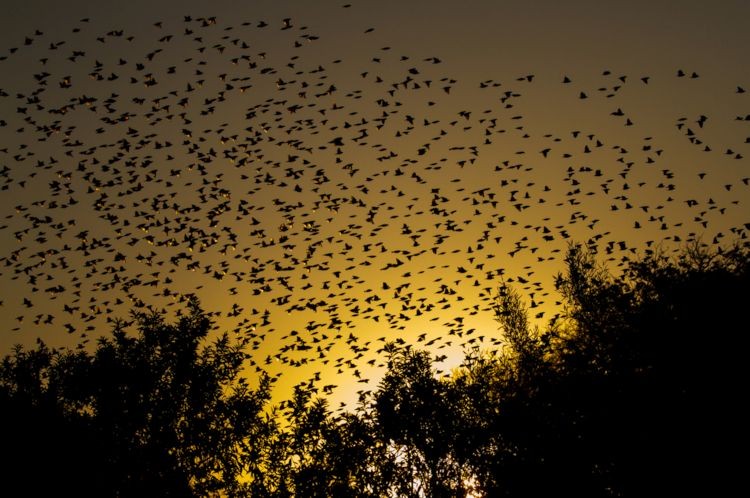
The most striking activity during the reporting period has been a sudden influx of thousands upon thousands of red-billed queleas (Quelea quelea). To describe their numbers and activities in words is almost impossible.

Rabies is a fatal disease in humans and other mammals that is caused by a virus transmitted by animal bites. It is the oldest infectious disease known to man and has been present for more than 3000 years.

Whilst driving around the Reserve, I have made an interesting observation regarding elephant utilization of Grewia spp. (Raisin bush).