

Blue Wildebeest

The blue wildebeest (Connochaetes taurinus) is an antelope that needs little introduction to wildlife enthusiasts. It is also sometimes called the common wildebeest.

The blue wildebeest (Connochaetes taurinus) is an antelope that needs little introduction to wildlife enthusiasts. It is also sometimes called the common wildebeest.

Although not easily spotted unless you know what to look for, bracket fungi are incredibly populous at Ingwelala and on trees all over the world.
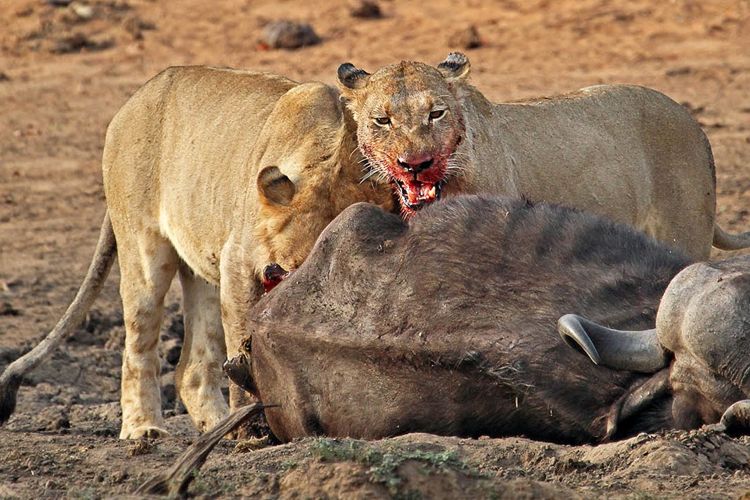
Tuberculosis (TB) is a disease affecting cattle and a variety of wildlife worldwide. It is caused by a bacteria (Mycobacterium bovis) that gains access to the body via the respiratory or alimentary tracts or through the skin.
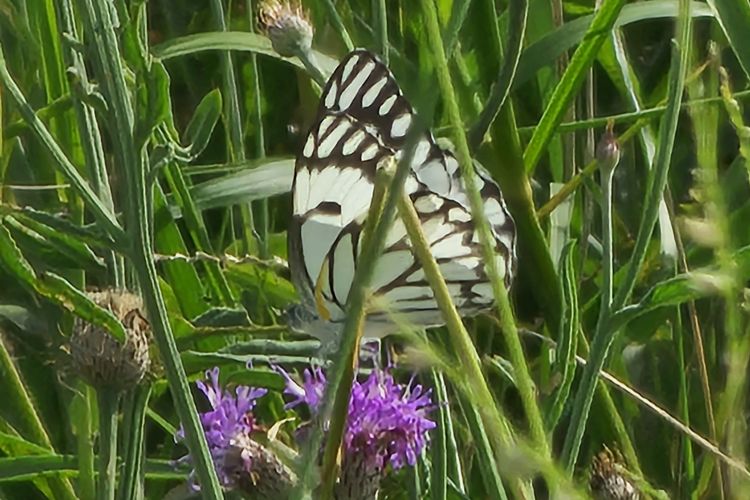
Did you notice hundreds of of these butterflies at Ingwelala over the past two months?

The topic of this month’s report is again one of those mammals that rarely get a mention in the Reception sightings book, the secretive and elusive Bushbuck.

In recent months a Bushbuck (Tragelaphus sylvaticus) ram and ewe have been moving through camp, and the ewe seems to have made this area her home range for the better part of the last few months.

Of special interest in the month of September 2020 were two sightings of caracal (Caracal caracal), in Afrikaans, rooikat, and in Tsonga, nandani. The caracal is not often seen on Ingwelala, the one pictured below is courtesy of Jeanette Gray, taken on Goedehoop.

The Chacma baboon (Papio ursinus) is a species that needs no introduction at Ingwelala. It is well known to all.

A common pedestrian seen crossing the reserve roads these days, is the flap-necked chameleon, Chamaeleo dilepis.
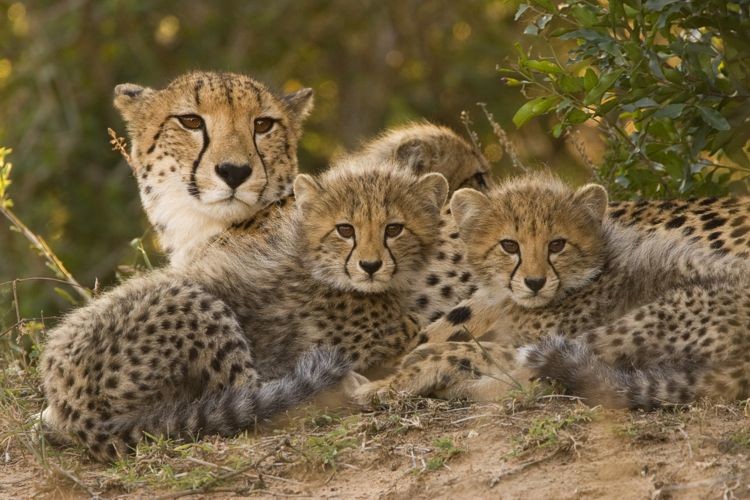
The Cheetah, Acinonyx jubatus, is a rarity on Ingwelala. Researching cheetah facts on the Internet allowed me to discover many interesting facts about a species so seldom seen in our neck of the woods.

With 4 recorded cheetah sightings through the month of April, it is only fitting for the cheetah to be our species of the month!
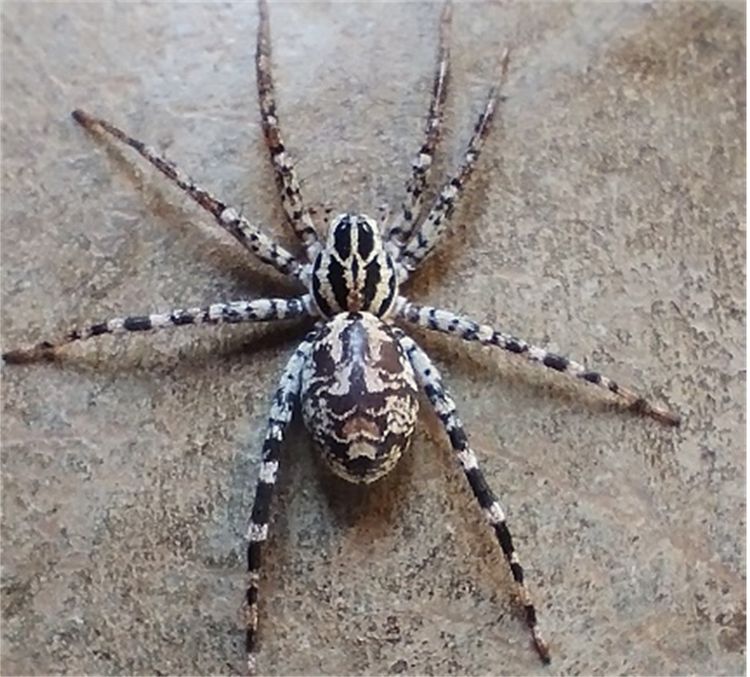
This beautiful sac spider was found tucked away beneath the belt clip on the Conservation Intern’s radio, whereafter it was identified.
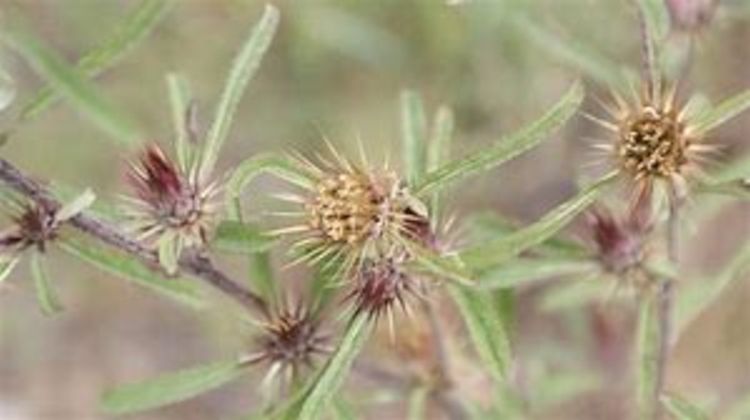
A plant that drew much attention this season is the herb type plant called Dicoma tomentosa. It is currently abundant on the reserve favouring road verges and open areas.
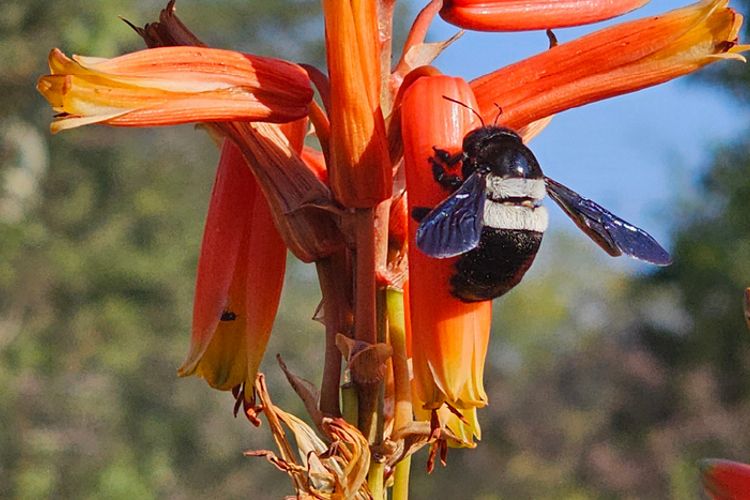
The Double-banded Carpenter Bee (Xylocopa caffra) has been a regular visitor to the flowering aloes throughout the month.

A thoroughly rewarding start to the day at this time of the year is leaving on a short game drive down Argyle Road at the break of dawn.
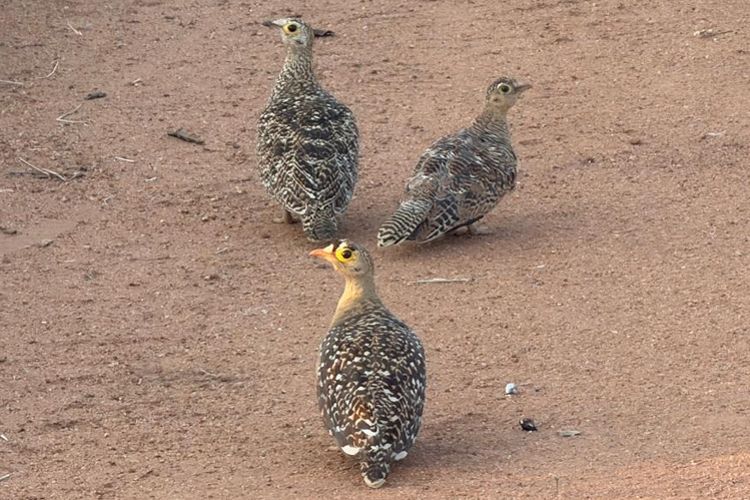
This beautiful bird (Pterocles bicinctus) is most commonly seen resting on gravel roads, using brilliant camouflage to remain hidden in plain sight.

One of the first insects appearing after the rains.

In this month’s report, three duikers are featured, to understand more about these animals. The facts listed below are for comparative purposes.

Undoubtedly one of the most commonly noticed insect activities is that of the dung beetles, particularly those rolling dung balls.
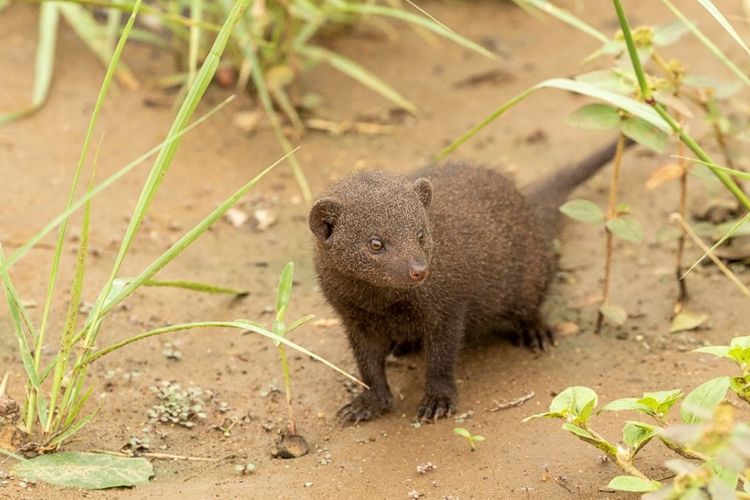
The cohesive groups of dwarf mongooses (Helogale parvula), Africa’s smallest carnivore, have been very active on Ingwelala this summer.