

Hyenas

The following text is an account from a Member who came face to face with a hyena in camp early one morning.

The following text is an account from a Member who came face to face with a hyena in camp early one morning.

The characteristic sound of the impala rutting season can not be mistaken in the African bushveld and this ancient ritual of activity peaks during the month of May.
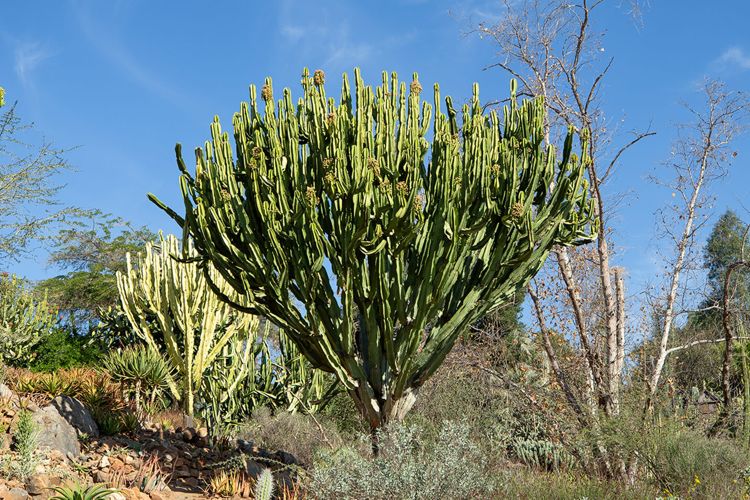
Chris Thorpe (an Ingwelala Member) very kindly drafted the text below to explain the identification and distinction between Euphorbia and cactus plants.

The name Jackal is often used to describe a cunning nature and a versatility which is a hallmark of this species.

An unmistakable call is that of the Side-striped jackal (Canis adustus) which is accentuated in camp during the cold crisp winter evenings, piercing the night air as its high pitch echoes and hollows, disclosing its whereabouts.

November marks the return of several migrant bird species, in particular the Woodland Kingfisher.

It is hard to believe that winter is behind us and within the month the first of the Yellow-billed Kites (Milvus aegyptius) will return for their annual summer visit. At Ingwelala it is the subspecies M. A. parasitus that we have come to know and view appreciatively.

This small antelope is a favourite amongst many nature enthusiasts. It may be due to the sheer reward of seeing one as the klipspringer (Oreotragus oreotragus), has mastered the uncanny art of blending into its environment.

Our species of the month is the Klipspringer (Oreotragus oreotragus)

The knob thorn (Acacia nigrescens) brings a beautiful colour to the landscape at this time of the year. Knob thorns are plentiful in the Lowveld, their yellow flowers drawing a distinctive contrast

Our species of the month is the Kori Bustard Ardeotis kori

An Ingwelala animal that is naturally more visible during the cooler and dry winter months is the Greater Kudu (Tragelaphus strepsiceros).
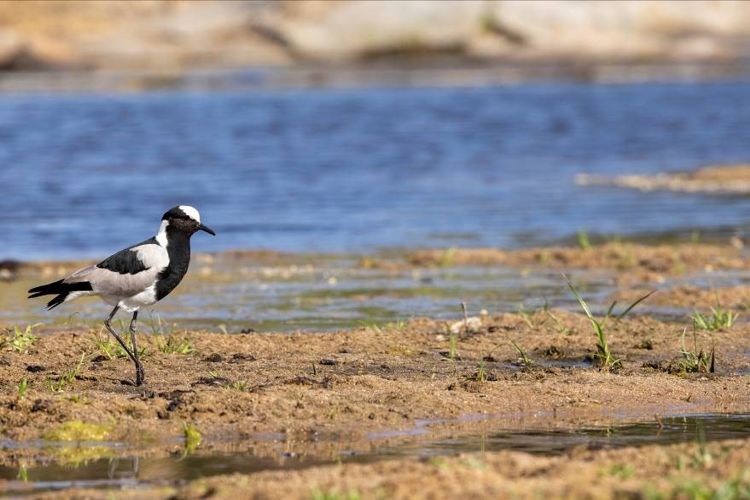
Often there is commentary from interested bird watchers regarding the name changes to birds by taxonomists, just when you feel confident about a bird identification and name, the name is changed! For example, questions are asked of the difference between Francolins and Spurfowls, between Louries and Turacos, to name but a few of the species.
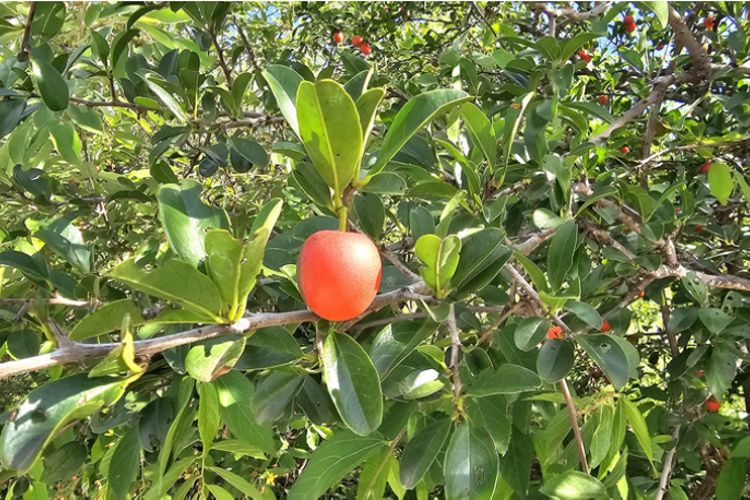
These small trees with colourful fruits were regular highlights during the month.
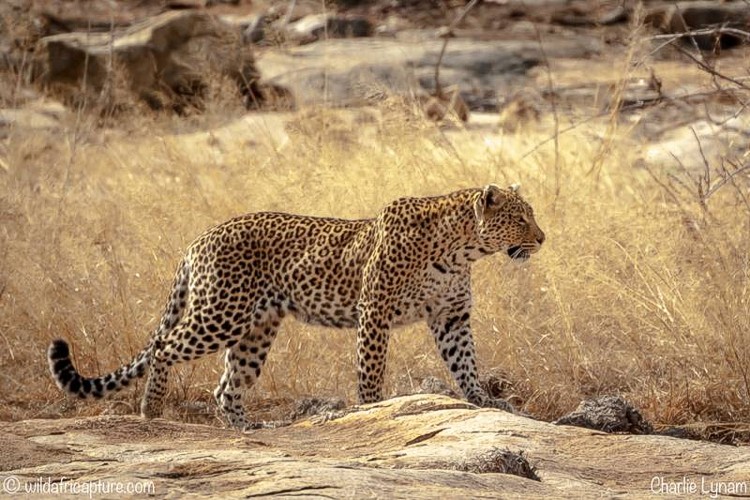
The leopard (Panthera pardus pardus) is an iconic cat, a member of the world renowned Big Five, and symbolic of stealth, cunning and concealment.

Lerps are interesting to look out for, in this case present on a mopane leaf.
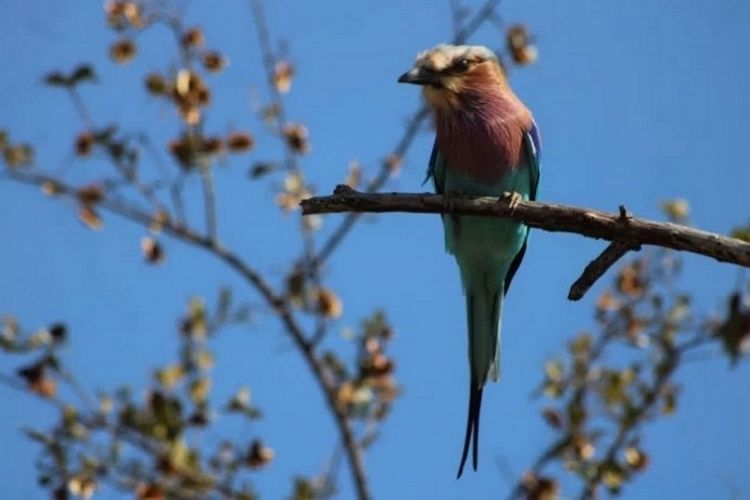
Africa’s most beautiful multi-colored bird. This common resident in the Greater Kruger might possibly even be the most photographed bird even though it is difficult to capture because of its active behaviour.

The African lion, Panthera leo, is an iconic animal, symbolising power and strength, and endearingly branded as the “King of Beasts”.
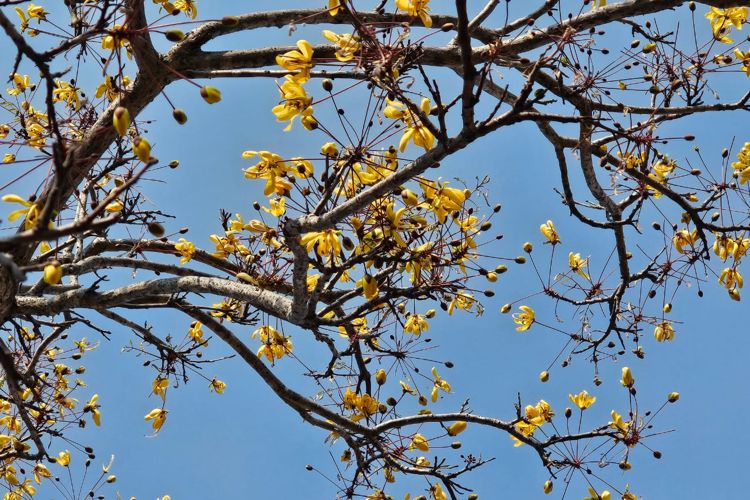
The long-tail cassia Cassia (Cassia abbreviata) is an indigenous tree species that grows up to about 7m tall.

The Marula tree (Sclerocarya birrea) is known as "Ukanyi" in Tsonga.